
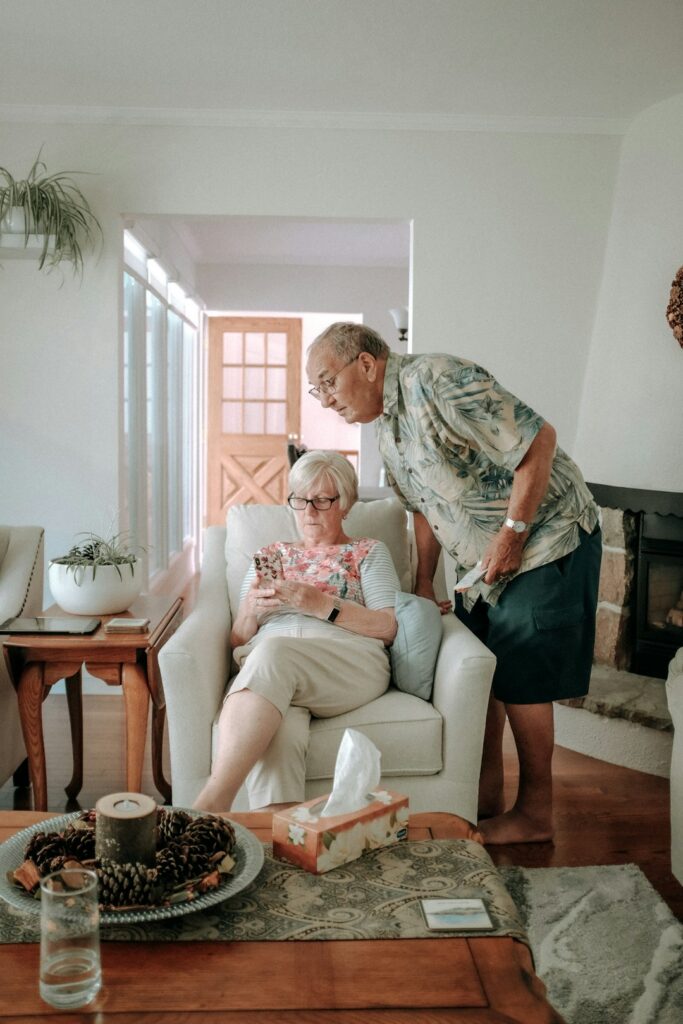
Moving to assisted living often involves more than choosing a new floor plan. It also means deciding what to keep, what to pass along, and what no longer fits the next stage of daily life. For residents of Bridgeville, PA, downsizing may involve sorting through decades of household belongings, preparing a home for changing mobility needs, and coordinating decisions with family members who may not live nearby.
A thoughtful plan can make the process less tiring and reduce the chance of rushed decisions.
How much should be taken to assisted living?
Most assisted living apartments provide less storage than a typical house, so the goal is usually to bring useful, familiar, and meaningful items rather than an entire household. The right amount depends on the size of the apartment, available storage, and whether meals, linens, furniture, or kitchen supplies are provided.
Before packing, request a floor plan or measure the new living space. Mark the location of:
- The bed
- A dresser or chest
- A comfortable chair
- A small table
- Medical equipment
- Walkways and door clearance
- Closet and bathroom storage
Use painter’s tape on the floor at home to outline the approximate furniture arrangement. This makes it easier to see whether a favorite chair or cabinet will fit without blocking movement.
A useful rule is to plan for open walking paths first. Decorative items and extra furniture should come after safety and daily function have been considered.
What should be sorted first?
Begin with items that are clearly no longer needed. This creates progress without forcing difficult emotional decisions at the beginning.
Good starting categories include:
- Expired medications and old medical supplies
- Broken appliances or electronics
- Duplicate kitchen items
- Worn linens and clothing
- Outdated paperwork
- Unused exercise equipment
- Furniture that is difficult to move or maintain
Do not mix every category together. Work one room, closet, or cabinet at a time. Sorting by location keeps the project manageable and makes it easier to stop for the day without leaving the entire home in disarray.
Four labels can help:
1. Take — items needed or strongly wanted in the new residence
2. Give to family or friends — belongings with a known recipient
3. Donate or recycle — usable or recyclable items that are not being kept
4. Decide later — possessions that require more thought
The “decide later” category prevents a single difficult item from stopping the entire process. Set a specific date to revisit it rather than allowing boxes to remain open indefinitely.
How can sentimental belongings be handled?
Sentimental items are often harder to sort than practical possessions. A person may understand that a large cabinet will not fit but still feel uncomfortable letting go of it because it belonged to a parent or represents an important period of family life.
Try separating the memory from the object. Ask:
- Does this item need to come to the new residence?
- Would a photograph preserve the memory?
- Is there a family member who genuinely wants it?
- Can part of a collection be kept instead of the entire collection?
- Will storing it create a burden for someone else?
Photographing quilts, holiday decorations, furniture, artwork, and family collections can preserve a visual record. For especially meaningful items, write a short note about who owned them, where they came from, or why they matter. This information can be valuable to relatives later.
Family members should avoid taking items without permission, even when they believe the belongings will eventually be theirs. Downsizing is still the resident’s decision unless legal authority has been formally established.
What clothing is practical for assisted living?
Clothing should support comfort, easy dressing, laundry routines, and changing mobility. Bring enough for regular use without filling every drawer.
Consider:
- Soft, easy-to-wash clothing
- Shoes with secure soles and a stable fit
- Layers for indoor temperature changes
- Clothing that works with mobility devices or braces
- A small number of dressier outfits
- Personal items used every day, such as a robe, sweater, or favorite hat
Labeling clothing may be useful, particularly if laundry is handled outside the apartment. Avoid bringing valuable jewelry or irreplaceable accessories unless they are worn regularly and can be safely managed.
Seasonal clothing can be rotated rather than stored in the apartment all year. In a community with cold winters, bulky coats, boots, gloves, and heavier bedding can take up substantial space. Decide in advance where out-of-season items will be kept and who will exchange them.
What paperwork should be kept?
Important records should be gathered before moving, but unnecessary paperwork should not be transported from room to room. Create one clearly marked file for current documents and a separate file for records that may be needed later.
The current file may include:
- Identification documents
- Insurance information
- Medication and medical information
- Financial account details
- Legal documents
- Emergency contacts
- Housing or property records
- Instructions for pets, vehicles, or household responsibilities

Shred papers containing personal or financial information rather than placing them in ordinary trash. Do not discard original legal documents without understanding whether they are still needed. If a document affects property, finances, medical decisions, or inheritance, legal guidance may be necessary before disposal.
How can the home itself be made safer during downsizing?
A partially emptied house can create hazards. Boxes, loose rugs, extension cords, and furniture moved into hallways may increase the risk of falling, especially for someone already experiencing balance or vision changes.
Keep at least one clear path between the bedroom, bathroom, kitchen, and main entrance. Avoid stacking boxes near stairs or placing belongings where they could be affected by moisture. Basements, garages, and outdoor storage areas may be difficult to access safely, particularly during wet, icy, or snowy weather.
If sorting requires ladders, heavy lifting, mold exposure, pest cleanup, or removal of hazardous materials, the task should not be handled by an older adult alone. Safety concerns may justify assistance from family members or qualified workers.
What should happen to furniture and household items?
Furniture decisions should be based on fit, comfort, maintenance, and safe movement. A large dining set, multiple end tables, or extra bedroom furniture may not suit an assisted living apartment.
Before deciding, consider whether an item:
- Fits through the new residence’s doors and hallways
- Leaves enough room for a walker or wheelchair
- Requires frequent polishing or repairs
- Has sharp corners or an unstable base
- Holds strong emotional value
- Has a realistic recipient
Avoid giving away essential furniture before the move is complete. Keep a bed, seating, lighting, basic kitchen supplies, and necessary household items available until the final transition.
How should family members divide the work?
Downsizing goes more smoothly when responsibilities are specific. One person might measure furniture, another might organize paperwork, and another might photograph or distribute family belongings. Written decisions can prevent repeated conversations and disagreements.
The resident should remain involved as much as health and safety allow. Family members can offer choices, handle lifting, and manage transportation without taking control of personal decisions.
A gradual schedule is often easier than a single large cleanup:
- Begin with low-emotion items several weeks ahead.
- Set aside regular sorting periods instead of working until exhaustion.
- Arrange donation, recycling, or disposal before boxes accumulate.
- Pack the new apartment by room and priority.
- Keep one small box for immediate comfort items on moving day.
What should be packed for the first week?
The first days may be tiring, so pack a clearly marked essentials bag or box. Include medications, toiletries, several changes of clothing, important documents, glasses, hearing devices, chargers, comfortable shoes, and familiar personal items.
Also include a simple list of contact information and current medications. Keep these items with the resident rather than placing them in a moving truck or an unlabeled box.
Downsizing is not only a cleaning project. It is a process of choosing what will support comfort, independence, safety, and familiarity in a smaller setting. Starting early allows residents and families to make those choices carefully rather than under pressure.
